
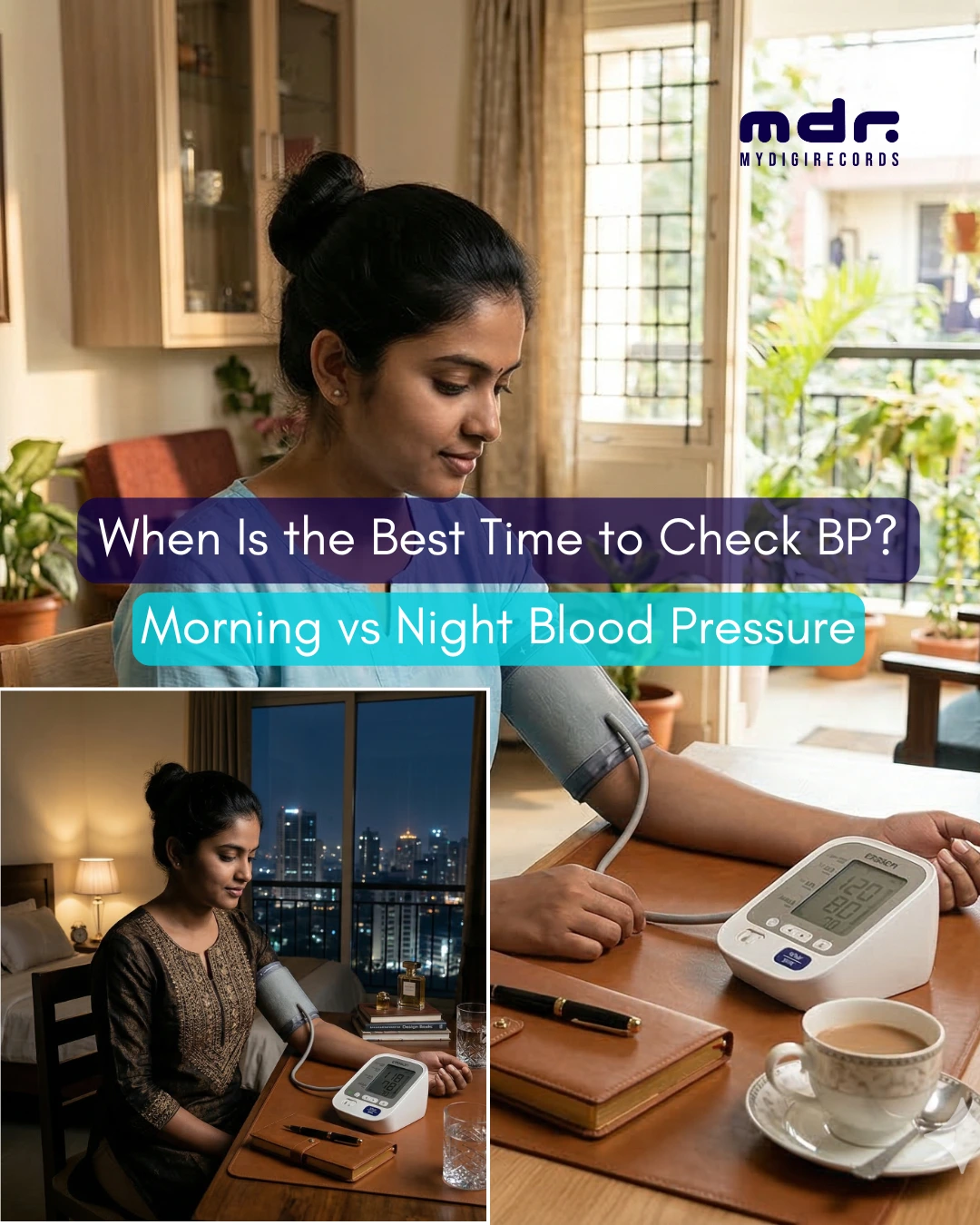
Morning vs Night Blood Pressure: When Is the Best Time to Check BP?
Table of Contents:
How Blood Pressure Changes Throughout the Day
Morning Blood Pressure Why It Matters
Benefits of checking BP in the morning
Best time in the morning to check BP
Night Blood Pressure Why Evening Monitoring Is Important
Benefits of checking BP at night
Best time in the evening to check BP
The Right Approach Monitor at Both Times
The Future of Blood Pressure Monitoring
A medically accurate guide by MyDigiRecords
High blood pressure – also known as hypertension – is often called the “silent killer.” Millions of people live with elevated blood pressure without ever realising it. Because it rarely causes noticeable symptoms until serious complications arise – such as heart disease, stroke, or kidney damage – it is critical to monitor your BP regularly and proactively.
One question many people ask is: when is the best time to check blood pressure – morning or night?
The answer is more nuanced than simply choosing one over the other. Blood pressure naturally fluctuates throughout the day due to factors such as stress, physical activity, sleep, and diet. Understanding these fluctuations helps you monitor your health more accurately and catch potential risks early.
In this guide, we explore the differences between morning and night blood pressure readings, the science behind daily BP variations, and best practices for accurate monitoring at home.
Also Read: Best PHR App: MyDigiRecords (MDR) – Your Ultimate Health Companion

How Blood Pressure Changes Throughout the Day
Blood pressure is not constant. It follows a predictable daily rhythm tied to your body’s internal biological clock – known as the circadian rhythm.
In a typical healthy adult, blood pressure follows this pattern:
- Lowest during deep sleep (roughly 2:00–4:00 AM)
- Rises sharply in the hours before and after waking – the “morning surge”
- Remains moderately elevated during daytime activity
- Gradually drops again in the evening and during rest
More precisely, blood pressure typically begins to rise 1–2 hours before waking, peaks during the early morning hours, stabilises during the day, and then drops at night. In healthy individuals, nighttime blood pressure is 10–20% lower than daytime levels – a pattern known as “dipping.”
Clinical note: People whose blood pressure does not dip at night – called “non-dippers” – face a significantly higher risk of cardiovascular complications, including stroke and organ damage. This is why evening and nighttime monitoring matters.
If this pattern becomes abnormal – such as blood pressure remaining persistently high at night or surging excessively in the morning – it can signal underlying cardiovascular risk and should be evaluated by a healthcare professional.
Also Read: Can AI Really Measure Blood Pressure from Your Face?
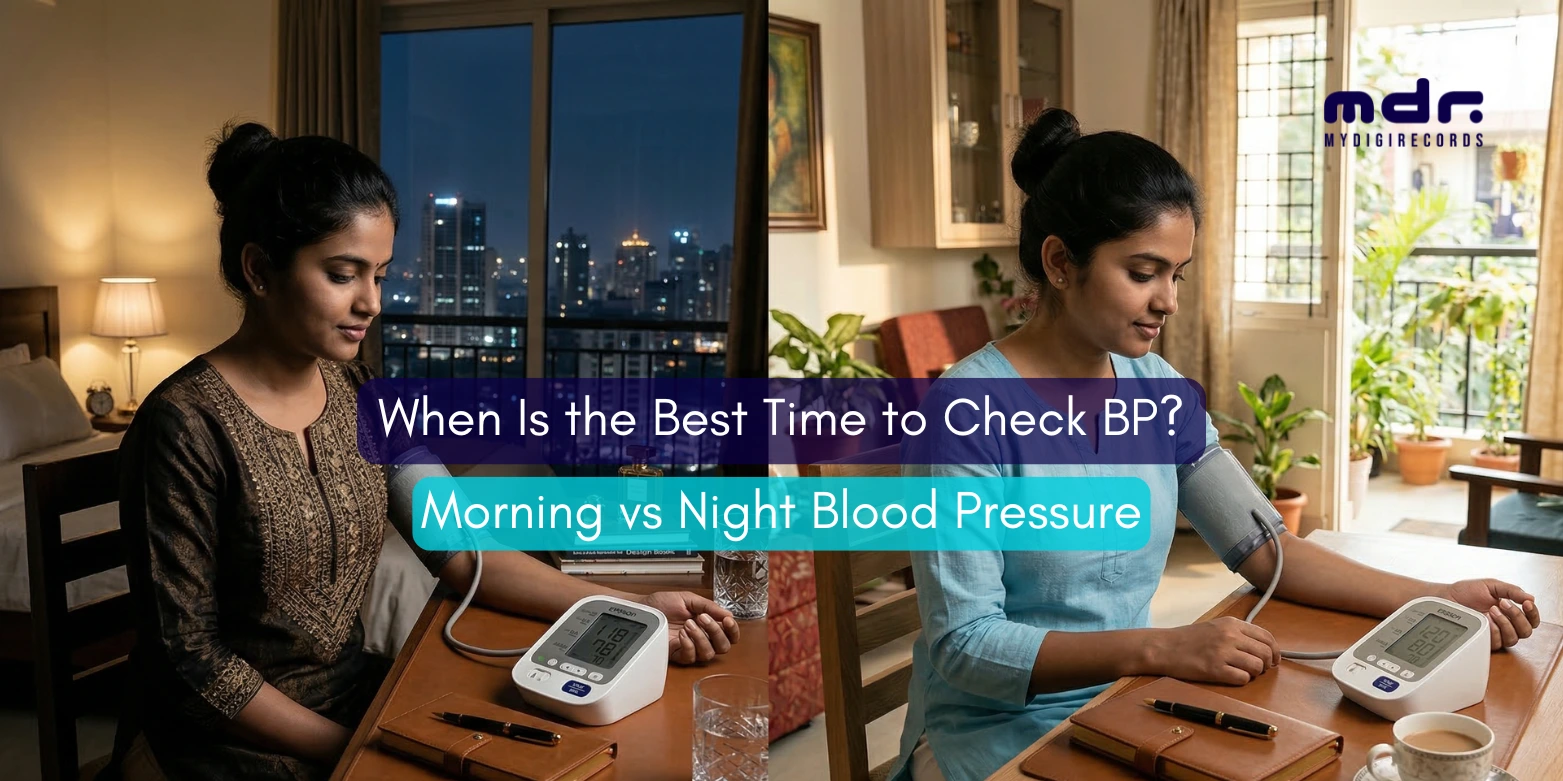
How Blood Pressure Changes Throughout the Day
Blood pressure is not constant. It follows a predictable daily rhythm tied to your body’s internal biological clock – known as the circadian rhythm.
In a typical healthy adult, blood pressure follows this pattern:
- Lowest during deep sleep (roughly 2:00–4:00 AM)
- Rises sharply in the hours before and after waking – the “morning surge”
- Remains moderately elevated during daytime activity
- Gradually drops again in the evening and during rest
More precisely, blood pressure typically begins to rise 1–2 hours before waking, peaks during the early morning hours, stabilises during the day, and then drops at night. In healthy individuals, nighttime blood pressure is 10–20% lower than daytime levels – a pattern known as “dipping.”
Clinical note: People whose blood pressure does not dip at night – called “non-dippers” – face a significantly higher risk of cardiovascular complications, including stroke and organ damage. This is why evening and nighttime monitoring matters.
If this pattern becomes abnormal – such as blood pressure remaining persistently high at night or surging excessively in the morning – it can signal underlying cardiovascular risk and should be evaluated by a healthcare professional.
Also Read: Can AI Really Measure Blood Pressure from Your Face?
Morning Blood Pressure: Why It Matters
Many doctors recommend measuring blood pressure in the morning, and for good reason. Morning readings are taken before daily stressors, food, and medications have had time to affect your body, making them a reliable baseline.
Benefits of checking BP in the morning
- Establishes a stable baseline
Morning measurements are taken before daily stressors begin – before caffeine, food, and emotional pressures accumulate. This gives a clean snapshot of your body’s natural blood pressure.
- Detects morning hypertension
Some people experience morning hypertension, where blood pressure spikes sharply soon after waking. Research has linked exaggerated morning BP surges to an increased risk of heart attack and stroke – making this one of the most clinically important windows for monitoring.
- Helps evaluate medication effectiveness
If you take blood pressure medication, morning readings – taken before your dose – help your doctor assess whether your medication is keeping BP controlled through the night and into the new day.
Best time in the morning to check BP
Health guidelines (American Heart Association, European Society of Cardiology) recommend:
- After using the toilet and washing up – before sitting for a rest
- After sitting quietly for at least 5 minutes
- Within the first 1 hour of waking
- Before eating breakfast or drinking coffee or tea
- Before taking any blood pressure medication
Why wait before measuring? Measuring immediately after getting out of bed – before your body has stabilised – can give artificially elevated readings. Always sit and rest first.
Also Read: Why Your Blood Pressure Readings May Be Wrong: 7 Common Mistakes You Must Avoid
Night Blood Pressure: Why Evening Monitoring Is Important
While morning readings are valuable, evening measurements provide their own critical insights. Together, the two create a much more complete picture of your cardiovascular health.
Benefits of checking BP at night
- Identifies nocturnal hypertension
In healthy adults, blood pressure should drop 10–20% during sleep. If it does not – a condition called “non-dipping” or nocturnal hypertension – this significantly raises cardiovascular risk. Evening readings, taken before bed, can help track this pattern alongside morning data.
- Tracks the impact of your day
Evening readings capture how your body has responded to the day’s stress levels, dietary choices, physical activity, and emotional state. This makes them a valuable complement to the calm baseline of your morning reading.
- Provides a complete BP profile
Monitoring at both morning and evening gives your doctor a far more accurate and actionable picture of your blood pressure health than either reading alone.
Best time in the evening to check BP
- Before dinner – or at least 30 minutes after your last meal
- Before bedtime
- After sitting calmly for at least 5 minutes
- At least 30 minutes after physical activity, smoking, or alcohol
What to avoid: Do not measure immediately after exercise, heavy or salty meals, smoking, or alcohol. All of these can temporarily raise blood pressure and skew your readings.
Also Read: 70% of Indians Don’t Monitor Their Blood Pressure – Let’s Change That with MDR
The Right Approach: Monitor at Both Times
The most accurate approach is not choosing between morning or night – it is checking at both times. This is the standard recommended by most major hypertension guidelines worldwide.
For home BP monitoring, doctors generally recommend:
- Two readings in the morning (before food, caffeine, and medication)
- Two readings in the evening (before dinner or bed, after resting)
- Wait 1–2 minutes between each consecutive reading
- Average the two readings from each session
- Record your results and maintain this routine for at least 7 days before a doctor’s appointment
Important: Waiting 1–2 minutes between consecutive readings is essential – it allows blood vessels to return to a rested state and significantly improves the accuracy of your average.
Common Mistakes to Avoid
Even with a regular monitoring habit, incorrect technique can produce misleading results. Here are the most common errors:
- Measuring too soon after waking
Sit quietly for at least 5 minutes before reading. Use the bathroom first, then rest before measuring.
- Drinking caffeine beforehand
Coffee, tea, and energy drinks can temporarily raise blood pressure. Avoid them for at least 30 minutes before measuring.
- Talking during measurement
Speaking during a reading can raise systolic pressure and distort results. Stay still and silent.
- Incorrect arm position
Your arm should rest at heart level – supported on a table or armrest. Arm position below heart level inflates readings; above deflates them.
- Wrong cuff size
An incorrectly sized cuff can produce inaccurate readings. Use the size recommended for your arm circumference.
- Not waiting between readings
Always wait 1–2 minutes between the first and second reading in a session. Taking them back to back gives inaccurate averages.
Why Regular Tracking Matters
A single blood pressure reading tells you relatively little. What matters to your doctor – and to your long-term health – is a pattern of readings over time.
Consistent monitoring over days and weeks helps identify:
- Hypertension (persistently elevated BP)
- White coat hypertension (elevated only in clinical settings)
- Masked hypertension (normal in clinic but elevated at home)
- How well your medication is working
- The impact of lifestyle changes – diet, exercise, stress management
This is why most guidelines recommend keeping a written or digital log of your readings – ideally 7 days of morning and evening measurements – and sharing this record with your doctor.
The Future of Blood Pressure Monitoring
Digital health platforms and AI-powered tools are transforming how people track their vital signs. Instead of relying solely on clinic visits, many individuals can now monitor and store their health data digitally – making it easier to track trends and share information with healthcare professionals.
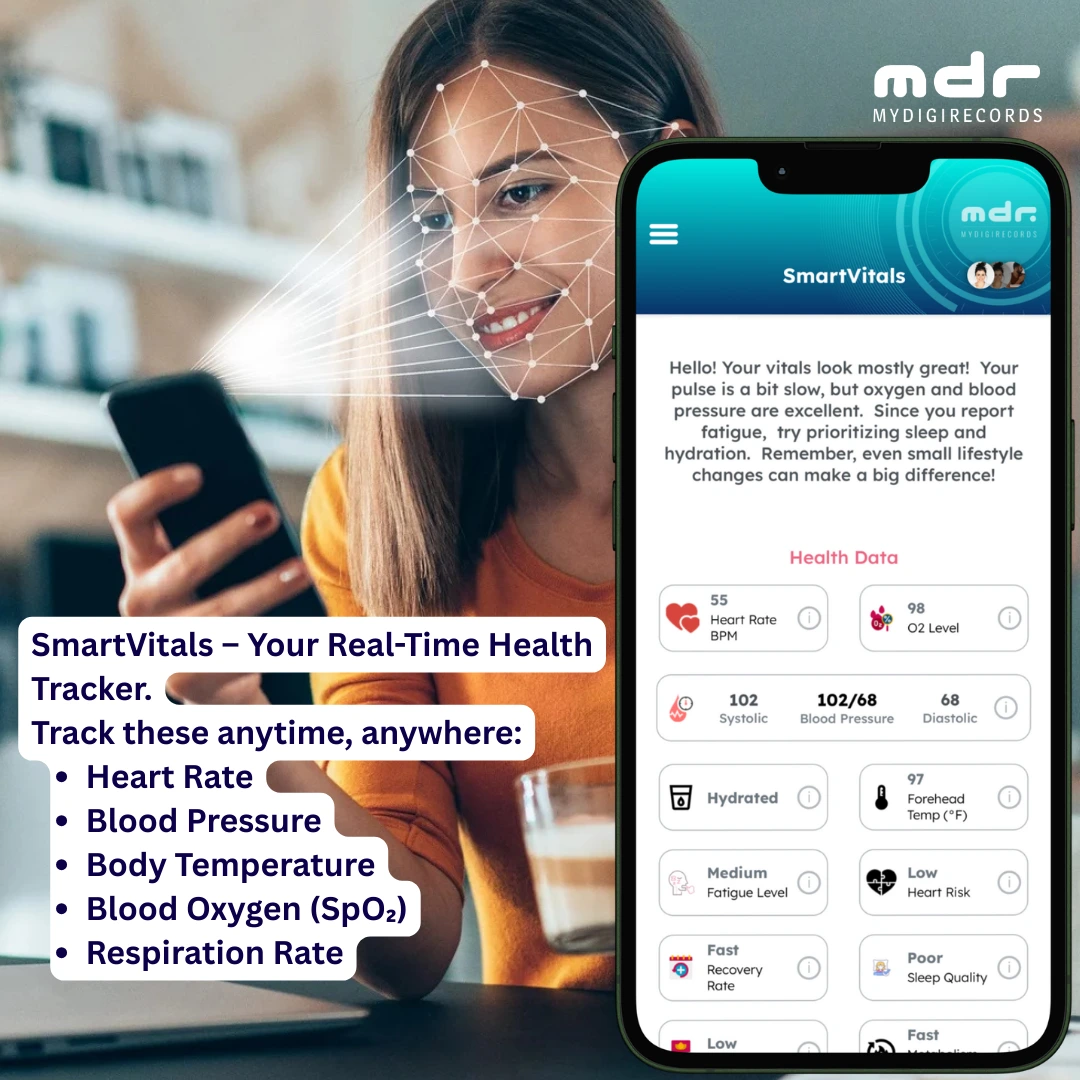
One such innovation is SmartVitals, an advanced health monitoring feature within the MyDigiRecords platform. SmartVitals uses AI-powered face scan technology that analyses subtle changes in facial blood flow through your smartphone camera to estimate key health indicators such as heart rate and blood pressure trends. Within just seconds, users can gain meaningful insights into their cardiovascular health – conveniently, and without additional equipment.
Please note: SmartVitals is designed as a supportive wellness and trend-tracking tool. For clinically accurate blood pressure measurement – especially for the diagnosis or management of hypertension – always use a validated upper-arm blood pressure cuff. Consult your doctor before making any medical decisions based on health monitoring data.
When combined with digital health records, tools like SmartVitals help users build a continuous history of their vital readings over time. This long-term data becomes extremely valuable for doctors, providing a richer, longitudinal view of a person’s health rather than isolated snapshots taken during occasional visits.
As healthcare continues to evolve, innovations like AI-powered monitoring and digital health records are moving us toward a future where tracking your blood pressure and overall health becomes simpler, smarter, and more proactive.
Also Read: AI-Powered Face Scan: The Future of Blood Pressure Monitoring Is Here

Tips for Maintaining Healthy Blood Pressure
Monitoring your BP is important – but your lifestyle plays an equally critical role. Here are proven strategies for keeping blood pressure in a healthy range:
Stay physically active
Regular aerobic exercise strengthens the heart and improves circulation. Aim for at least 150 minutes of moderate activity per week.
Reduce salt intake
High sodium consumption is one of the most direct dietary contributors to hypertension. The WHO recommends less than 5g of salt per day.
Manage stress
Chronic stress raises blood pressure over time. Meditation, breathing exercises, and adequate sleep all support cardiovascular health.
Maintain a healthy weight
Obesity significantly increases the risk of high blood pressure. Even modest weight loss can produce meaningful BP reductions.
Limit alcohol and avoid smoking
Both alcohol and tobacco directly affect cardiovascular health and can raise blood pressure. Limiting or avoiding them supports better long-term control.
So, morning vs night blood pressure – when should you check BP? The evidence-based answer is: both. Morning readings provide a stable baseline before the day begins; evening readings capture the cumulative effects of activity, stress, and diet. Together, they give you and your doctor a far clearer picture than either alone.
The key is consistency – same time each day, correct technique, and keeping a log. Combined with healthy lifestyle choices, regular monitoring is one of the most powerful tools you have for preventing serious cardiovascular complications before they develop.
Your heart works without pause, every day. Taking a few minutes morning and evening to monitor your blood pressure could be one of the most impactful habits you build for long-term health.
FREQUENTLY ASKED QUESTIONS (FAQs) ABOUT PHR APPS
1. Is it better to check blood pressure in the morning or at night?
Health guidelines recommend checking blood pressure twice daily - once in the morning and once in the evening. Morning readings provide a stable baseline before daily activities begin; evening readings capture how stress, food, and activity have affected your BP throughout the day. Both together give the most complete picture.
2. What is the best time in the morning to check blood pressure?
After using the bathroom, sit quietly for at least 5 minutes. Then measure within the first hour of waking - before eating, drinking coffee, or taking medication.
3. Why does blood pressure increase in the morning?
As your body prepares to wake, it releases hormones such as cortisol and adrenaline that increase heart rate and blood circulation. This natural process - called the morning surge - causes BP to rise sharply in the early hours, often even before you are fully awake.
4. Should you check blood pressure before or after eating?
Always before eating. Large meals - especially salty ones - can temporarily affect blood pressure readings and lead to inaccurate results.
5. How many times should you check your blood pressure in a day?
For home monitoring, take two readings each morning and two each evening, waiting 1–2 minutes between each pair. Average the two readings from each session. Your doctor may advise a different frequency depending on your situation.
6. Can stress affect blood pressure readings?
Yes. Emotional stress, anxiety, and even rushing before measuring can temporarily raise your BP. Always sit quietly for at least 5 minutes before checking, in a calm environment.
7. What is considered a normal blood pressure range?
According to the American Heart Association (2017 guidelines), normal blood pressure for adults is below 120/80 mmHg. Readings consistently at or above 130/80 mmHg may indicate hypertension and should be evaluated by a doctor.
8. Can smartphones monitor blood pressure?
Emerging technologies - including AI-powered tools like SmartVitals on the MyDigiRecords platform - use facial blood flow analysis (rPPG) to estimate health indicators such as heart rate and blood pressure trends. These tools are best used for wellness awareness and trend-tracking. For clinical diagnosis or management of hypertension, a validated upper-arm cuff device remains the standard recommended by healthcare professionals.
9. Why is tracking blood pressure history important?
A single reading provides limited information. A log of readings over 7 or more days reveals patterns - whether BP is consistently elevated, responds to medication, or changes with lifestyle habits. This history is far more useful to your doctor than any one-off measurement.
10. What should you avoid before checking blood pressure?
For the most accurate reading, avoid the following for at least 30 minutes before measuring:
- Drinking caffeine (coffee, tea, energy drinks)
- Smoking
- Vigorous exercise
- Eating a heavy or salty meal
- Alcohol
- High-stress situations or emotional upset
Also: use the toilet before measuring, then sit quietly for 5 minutes. Do not talk during the measurement.
More blogs for you to read

Is Your Medical Data Safe? How Modern Health Apps Protect Your Records in 2026?
Is Your Medical Data Safe? How Modern Health Apps Protect Your Records in 2026 Table of Contents: Protect Your Records

Dehydration & Fatigue: Is Your Low Energy Actually a Water Problem?
Dehydration & Fatigue: Is Your Low Energy Actually a Water Problem? Table of Contents: What Dehydration Means? Can Mild Dehydration
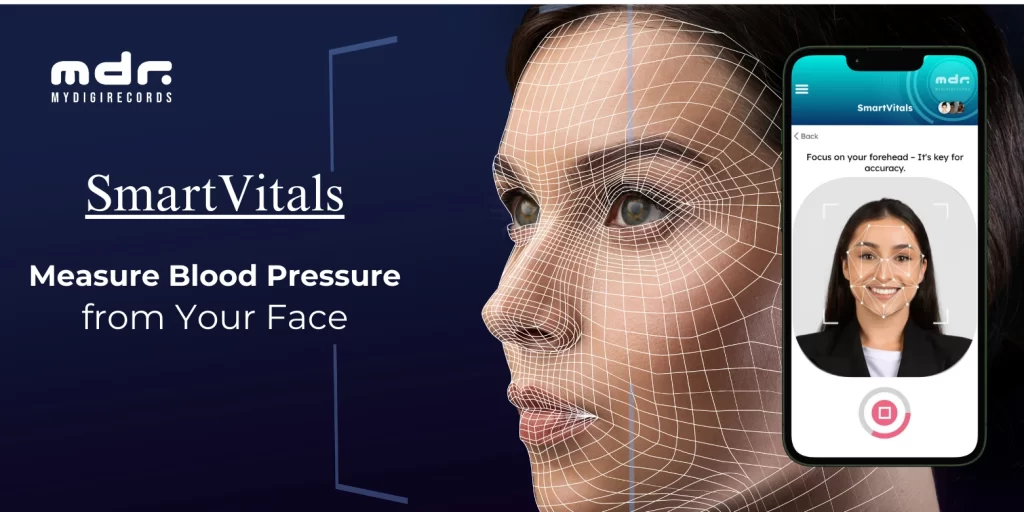
Can AI Really Measure Blood Pressure from Your Face? The Science Behind SmartVitals Explained
Can AI Really Measure Blood Pressure from Your Face? The Science Behind SmartVitals Explained Table of Contents: Can AI Really
Why Your Blood Pressure Readings May Be Wrong: 7 Common Mistakes You Must Avoid
Why Your Blood Pressure Readings May Be Wrong: 7 Common Mistakes You Must Avoid Table of Contents: Introduction Quick 15-second