
Dehydration & Fatigue: Is Your Low Energy Actually a Water Problem?

Have you ever slept for 7–8 hours and still woken up feeling drained? Do you get headaches, brain fog, or that familiar afternoon crash even when you’ve eaten properly?

Before assuming it’s just stress, poor sleep, or burnout, it’s worth asking a simpler question:

Are you drinking enough fluids?

Dehydration is a common and often overlooked reason for low energy, headaches, dizziness, and reduced focus. Even mild dehydration can affect how you feel and function.

Dehydration & Fatigue

What Dehydration Means?

Dehydration happens when your body loses more fluid than it takes in. Water is essential for circulation, temperature regulation, digestion, and normal brain and muscle function. When fluid levels drop, your body has to work harder to maintain basic processes.

A useful rule of thumb: in most adults, body water makes up roughly half to a little over half of body weight, though this varies by age, sex, and body composition.
Can Mild Dehydration Really Affect Energy?

Yes. Research suggests that even mild dehydration – around 1-2% body water loss – can affect mood, attention, and cognitive performance. It can also make you feel more tired than usual.

That does not mean every case of fatigue is caused by dehydration. But it does mean hydration is one of the first things worth checking when energy feels off.

Why Dehydration Can Make You Feel Tired

1) Less efficient circulation

When you are dehydrated, your body has less fluid available to maintain normal blood volume. That can make your heart work harder and may contribute to tiredness, dizziness, or weakness.

2) Reduced mental clarity

Mild dehydration has been linked with poorer attention, slower thinking, and reduced short-term cognitive performance in some studies.

3) Headaches and physical discomfort

Dehydration commonly causes headaches, light-headedness, dry mouth, and fatigue. These symptoms can make even normal daily tasks feel more exhausting.

4) Electrolyte loss

When fluid loss is significant-especially from sweating, vomiting, or diarrhea-you can also lose electrolytes. Replacing both fluids and electrolytes may be necessary in those situations.

You May Not Feel Thirsty Right Away

A lot of people wait until they feel thirsty to drink water. But thirst may already be a sign of mild dehydration. Cleveland Clinic notes that if you feel thirsty, you may already be slightly dehydrated.

That said, thirst is still a useful body signal – it just should not be your only hydration check.

Common Signs of Dehydration

Beyond thirst, common signs include:

  • fatigue
  • headache
  • dizziness or light-headedness
  • dry mouth, lips, or tongue
  • dark urine
  • urinating less than usual
  • confusion in more severe cases

    If you notice several of these together, dehydration may be contributing to your low energy.

Why Modern Life Can Make Hydration Worse

Today’s routines make it easy to under-drink without realizing it:

Long screen hours

When you’re focused, you often miss natural breaks—including drinking water.

Air-conditioned or dry indoor spaces

Dry environments can increase ongoing fluid loss, and indoor work often makes people less mindful about hydration.

Exercise without replacement

Sweating increases fluid loss. If you do not replace it, energy and recovery can suffer.

Illness

Fever, vomiting, diarrhea, and heavy sweating can quickly worsen dehydration.

What About Coffee and Tea?

Coffee and tea do count toward fluid intake. Moderate coffee intake is generally not considered dehydrating in habitual coffee drinkers.

So the real issue is usually not “coffee causes dehydration,” but rather:

  • drinking too little total fluid
  • relying on caffeine while ignoring water
  • high caffeine intake combined with poor hydration habits

How Much Water Do You Need?

There is no single perfect number for everyone. Needs vary based on:

  • body size
  • climate
  • activity level
  • diet
  • illness
  • pregnancy or breastfeeding


A common general benchmark from Mayo Clinic is about:

  • 2.7 liters (11.5 cups) of total fluid per day for women
  • 3.7 liters (15.5 cups) of total fluid per day for men

This includes fluids from both drinks and food.

You may need more if you:

  • exercise heavily
  • spend time in hot weather
  • have fever, vomiting, or diarrhea
  • are pregnant or breastfeeding

A Simple Hydration Check: Urine Color

Urine color can be a useful rough guide:

  • Pale yellow / light straw = usually well hydrated
  • Dark yellow = you may need more fluids


It’s not perfect, but it’s practical.

Dehydration Fatigue vs Other Causes of Fatigue

Dehydration is common—but it is not the only reason people feel exhausted.

Dehydration-related fatigue is more likely when it comes with:

  • headache
  • dark urine
  • dry mouth
  • dizziness
  • recent heat exposure
  • long periods without fluids

If fatigue continues despite good hydration, other causes should be considered, such as:

  • poor sleep
  • anemia
  • thyroid problems
  • infection
  • chronic stress
  • medication effects

If symptoms persist, medical evaluation is important.

A Simple 7-Day Hydration Reset

If you think hydration may be part of the problem, try this:

If you think hydration may be part of the problem, try this:

Days 1-2: Track it

Write down how much fluid you actually drink.

Days 3-4: Build structure

Aim for regular intake:

  • 1 glass after waking
  • 1 glass mid-morning
  • 1 glass before lunch
  • 1 glass mid-afternoon
  • 1 glass before dinner
Days 5-6: Support hydration with food

Add water-rich options like:

  • fruit
  • soups
  • coconut water
  • oral fluids with electrolytes if needed during heavy sweating or illness
Day 7: Reassess

Check for:

  • fewer headaches
  • better focus
  • steadier energy
  • less dizziness

If dehydration was part of the issue, symptoms may improve after consistent rehydration.

Hydration Myths to Stop Believing

Myth 1: “If I’m not thirsty, I’m fully hydrated.”

Not always. Mild dehydration can already be present before thirst becomes obvious.

Myth 2: “Coffee doesn’t count.”

It usually does contribute to hydration in moderate amounts.

Myth 3: “More water is always better.”

Not necessarily. Drinking excessive amounts too quickly can disturb electrolyte balance.

People at Higher Risk of Dehydration

Certain groups need extra attention:

  • children
  • older adults
  • athletes
  • outdoor workers
  • people with fever, vomiting, or diarrhea
  • people with chronic illness affecting fluid balance

Can Dehydration Affect Blood Pressure and Heart Rate?

Yes, it can. Dehydration may contribute to:

  • dizziness on standing
  • lower blood pressure
  • faster heart rate in some cases

If you regularly feel light-headed, weak, or unusually tired, hydration is worth reviewing early.

When to Seek Medical Care

Get medical help if dehydration comes with:

  • confusion
  • fainting
  • inability to keep fluids down
  • severe weakness
  • very low urine output
  • persistent dizziness or disorientation

These may suggest more serious dehydration or another underlying medical problem.

Practical Hydration Tips for Busy People

If you tend to forget water during the day, keep it simple:

  • keep a bottle at your desk
  • drink water before your second coffee
  • pair water with routine habits (calls, meetings, meals)
  • use reminders if needed
  • spread intake through the day instead of drinking large amounts at once

Small habits are usually more effective than extreme fixes.

Stay Ahead with SmartVitals by MyDigiRecords

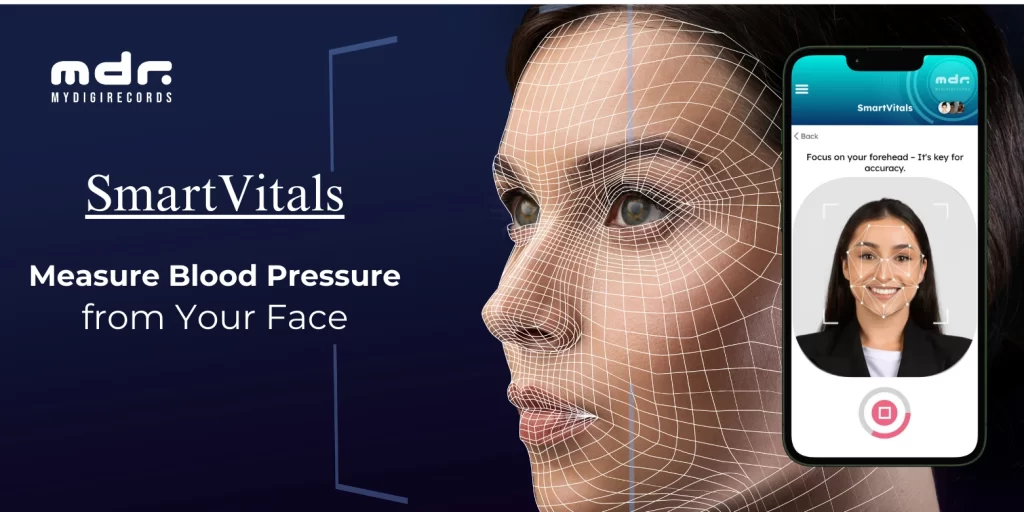
Fatigue is often ignored until it becomes chronic. But what if you could monitor some of the early signals your body may be giving you—right from your smartphone?

With SmartVitals by MyDigiRecords, users can track select wellness indicators such as heart rate trends, blood pressure-related readings, stress-linked signals, and overall wellness patterns in one place.

When dehydration or stress begins affecting your body, subtle changes may appear in your routine wellness readings before symptoms feel severe.

By monitoring your data regularly, you gain more awareness and can act earlier.

SmartVitals is intended for wellness awareness and trend tracking, not medical diagnosis or emergency use.

Because sometimes fatigue is not “just a long day.”
Sometimes it is your body asking for attention.

Stay hydrated. Stay aware.

Conclusion

Dehydration and fatigue are closely linked. Even mild fluid loss can affect energy, concentration, and how you feel day to day.

The good news is that hydration is one of the simplest things to improve.

Drink fluids consistently. Watch for early signs. Pay attention to patterns.

Your low energy may not always need a supplement, a stimulant, or a complicated fix.

Sometimes, it may just need better hydration.

More blogs for you to read